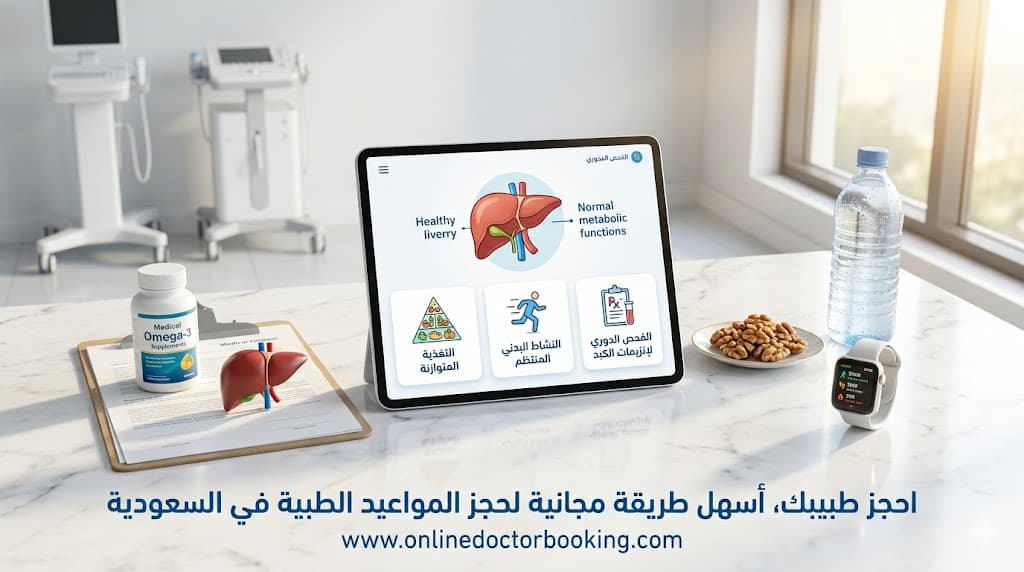
Non-Alcoholic Fatty Liver Disease: Silent Clinical Signs, Metabolic Triggers, and Modern Preventive Care
Understand the clinical nature of Non-Alcoholic Fatty Liver Disease (NAFLD), explore how insulin resistance and metabolic disorders drive hepatic fat accumulation, and discover expert preventive updates.
Non-Alcoholic Fatty Liver Disease (NAFLD) is a highly prevalent and asymptomatic metabolic disorder routinely encountered in internal medicine clinics across the Kingdom. Far from being a minor occurrence, NAFLD represents an excessive accumulation of lipids within hepatic cells in individuals with minimal to no alcohol consumption. This disturbance is deeply integrated with systemic metabolic syndromes, which can advance to chronic inflammation and liver fibrosis if left without a structured medical tracking protocol.
1. Clinical Presentation and Silent Warning Indicators
The primary clinical danger of fatty liver disease lies in its stealthy progression; it acts as a "silent condition" in its initial stages, leaving the patient entirely without noticeable complications. As lipid accumulation advances, vague clinical signs may emerge, such as chronic sluggishness, persistent fatigue, or a mild dull ache and fullness in the upper right quadrant of the abdomen. Frequently, NAFLD is detected incidentally through routine biochemical blood panels tracking elevated liver enzymes or via abdominal screening.
2. Pathophysiological Triggers and Metabolic Risk Factors
Hepatic steatosis stems from a complex integration of clear metabolic homeostasis disruptions. Chief among these is insulin resistance, a state where cellular glucose uptake is impaired, forcing the liver to synthesize and store excess fatty acids. Furthermore, systemic risk factors—including visceral obesity, elevated serum cholesterol, and high triglycerides—compounded by a sedentary lifestyle heavily dependent on simple sugars and highly processed foods, sharply accelerate clinical progression.
3. Clinical Therapeutics and Long-Term Prevention Milestones
Proactive behavioral adjustments and strategic weight management serve as the foundational cornerstones for reversing hepatic fat accumulation and restoring liver health. Modern medical guidelines emphasize gradual weight loss of 7% to 10% achieved through a low-carbohydrate, low-saturated fat diet paired with routine physical activities like brisk walking to optimize insulin sensitivity. Concurrently, internal medicine specialists advocate for scheduled lifestyle tracking, routine liver function monitoring, and tight glycemic control.
Securing optimal metabolic vitality relies heavily on recognizing your internal physiological signs; seeking early specialist medical advice from an internist remains your definitive pathway toward a healthy, active, and balanced lifestyle.
Experiencing persistent fatigue or seeking to track your metabolic health and liver enzymes with an expert?
Book the Best Internal Medicine Specialist for Free Now via the Platform